
Concerns Over Electoral Violence in Kenya: A Call for Action
Date and Author
Wednesday, 10th December, 2025, 10:19 AM
By Mabonga Makhanu
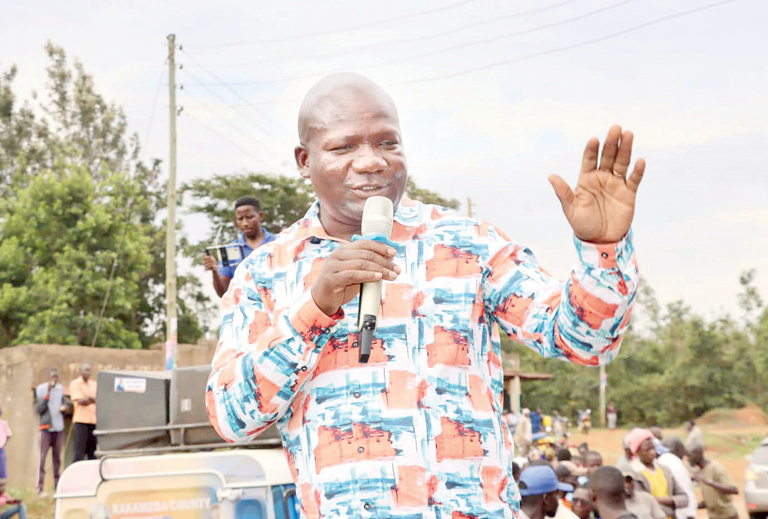
Figure: Kakamega Governor Fernandes Barasa. PHOTO/@BarasaFernandes/X
Kakamega Governor Fernandes Barasa has raised alarms regarding the rampant issue of electoral violence, particularly concerning goonism during elections. His recent statements underline a growing concern that the Independent Electoral and Boundaries Commission (IEBC) must tackle the dark and troubling trend of intimidation that hampers the electoral process.
A Menace at Polling Stations
In a revealing interview aired on a local radio station, Governor Barasa expressed his deep concerns over the increasing intimidation and violence observed at polling stations. He emphasized that such intimidation has not only disrupted the voting process but also generated fear among voters. The governor pointed out that these activities have significantly contributed to voter apathy, especially during the recent by-elections held in Malava Constituency.
Barasa noted, “These goons roaming the polling stations must be addressed. They are a menace and instill fear in the hearts of many Kenyans, preventing them from exercising their democratic rights.” His remarks come after he actively campaigned for United Democratic Alliance (UDA) candidate David Ndakwa, only to witness potential voters being intimidated and coerced into silence by criminal elements.
The Role of the IEBC
In response to the alarming trend, Governor Barasa has called upon the IEBC to implement more stringent measures during elections to curb violence. “In 2027, the IEBC must be strict about these matters,” he insisted, urging the need for accountability and proactive strategies to protect voters. The governor’s call for action reflects a growing sentiment among political leaders and citizens alike who are tired of seeing elections marred by violence.

Figure: Kakamega Governor Fernandes Barasa celebrating David Ndakwa’s electoral victory. PHOTO//Facebook
Barasa’s insights are echoed in wider discussions within political circles regarding the importance of creating a safer voting environment. In recent elections, the predominance of goon-associated campaigns has led not only to physical altercations but has also affected overall voter turnout.
Recent Incidents of Electoral Violence
The by-elections did not just witness threats at polling stations; they were accompanied by actual violence that underscored the urgent need for reform. For instance, in Kasipula, Homa Bay MP Peter Kaluma was attacked, resulting in theft of his bodyguard’s firearm, which later became a focal point in accusations against rival candidates. Such incidents have raised serious questions about the safety of both voters and candidates.
Meanwhile, in Malava, the campaign trail turned violent with attacks on political figures like Democratic Action Party (DAP-K) leader Eugene Wamalwa. Vehicles belonging to candidates were torched, and candidates experienced violent incidents, fueling a climate of intimidation that jeopardized fair electoral competition.

Figure: MP Kaluma assaulted by goons while casting his vote. PHOTO//Facebook
Areas of Concern: Mbeere North
The violence wasn’t contained in just one locale. Reports from Mbeere North highlighted masked individuals wielding batons who engaged in violent skirmishes at polling stations, with police forces seemingly indifferent to the chaos. These events facilitated a sense of lawlessness and compounded the fears regarding the electoral process.
A Demand for Accountability
The increasing frequency and severity of such incidents are creating a narrative that calls for not just comfort for voters, but for drastic actions to ensure their safety. “This is a reflection of a larger problem within our political system,” Barasa stated. These types of situations have serious repercussions that extend beyond immediate violence; they affect public perception about democracy and the efficacy of electoral processes in the country.
As the country gears up for the 2027 elections, the governors and political leaders are looking closely at the IEBC’s response. The expectation is that robust measures will be put in place for the upcoming elections to ensure that voters can express their right without fear, allowing democracy to flourish unimpeded by violence and intimidation.
The discussions around electoral violence in Kenya are complex and urgent, indicating a need not only for governmental intervention but also for community awareness and collective action. Ensuring free and fair elections remains vital to the integrity of the democratic process in the country.