Navigating Local Politics: The Dynamics in Kakamega
The Background of Local Political Engagement
Kakamega County, situated in the lush western region of Kenya, serves as a microcosm for the broader political dynamics at play in the nation. The land is rich not only in natural resources but also in political fervor and activity. Recently, the spotlight landed on Schneider Wycliffe Oparanya, the Cooperatives Cabinet Secretary, who has found himself in the midst of heated political debates. His influence and actions within the region can have far-reaching implications, particularly as it relates to the ongoing engagements between national leaders like President William Ruto and Opposition leader Raila Odinga.
Governor Fernandes Barasa’s Water Project Initiative
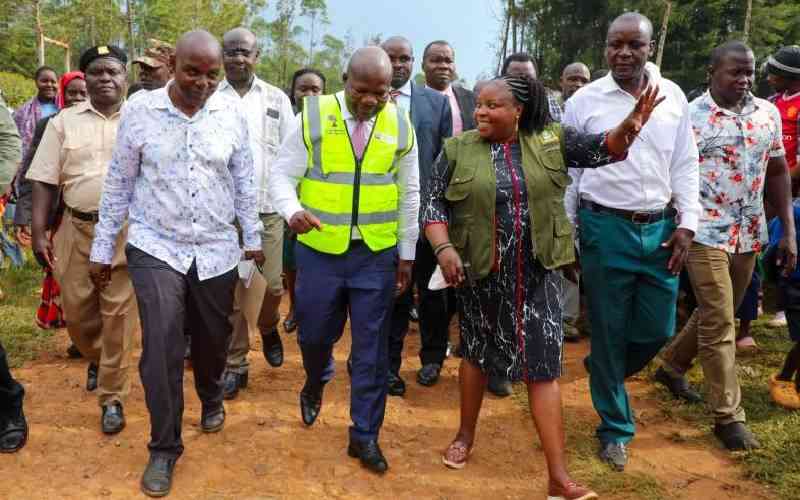
On September 15, 2025, Kakamega Governor Fernandes Barasa inspected the Mukulusu Solarised Water Project at Mukulusu Primary School in Murhanda Ward. This initiative is aimed at addressing the water supply challenges that have long plagued the area. Accessible clean water is a critical component for any community’s development, impacting health, sanitation, and education. The photo of Barasa highlights a promising stride toward improving local infrastructure and community well-being, showcasing his proactive role in enhancing service delivery.
Political Agendas: Ruto vs. Raila
In the intricate landscape of Kakamega’s politics, President William Ruto and Raila Odinga have been identified as pivotal players. Their contrasting political ideologies and strategies often reverberate through the activities of local leaders and appointments. Recently, both Ruto and Odinga have been called upon to manage Oparanya’s involvement in Western Kenya’s political domain. His engagement in local politics raises questions about the boundaries of cabinet members and their influence on electoral dynamics, as the region edged closer to upcoming elections.
The Role of Cooperatives in Local Development
Oparanya’s position as the Cooperatives Cabinet Secretary places him at the intersection of agricultural development and community empowerment. Cooperatives are the backbone of economic activities in Western Kenya, providing essential services to farmers and local businesses. By leveraging this role, Oparanya has the potential to accelerate socio-economic growth in the region. However, his involvement in active politics also prompts debates on neutrality and the ethical implications of using his governmental influence to sway local sentiments.
Voices from the Community
Community leaders and residents in Kakamega echo the call for clarity regarding Oparanya’s position in local politics. Many express a desire for leaders to focus more on development initiatives rather than partisan politics, which can often disrupt the harmony in community relations. The overarching sentiment is one where the focus should remain on improving living conditions and fostering collaborative efforts among all political factions.
The Digital Landscape: Connecting the Community
In an age where information is just a click away, platforms like WhatsApp have become vital for disseminating news and keeping the community informed. Initiatives like “Follow The Standard channel on WhatsApp” aim to bridge the gap between leaders and constituents, promoting transparency and dialogue. This move reflects a broader trend of utilizing digital tools to enhance civic engagement, allowing residents to stay updated on local and national developments.
The Future of Kakamega Politics
As Kakamega continues to evolve, the balance of power between development and political maneuvering remains delicate. Leaders like Barasa are working hard to implement projects that promise to uplift the community, while at the same time, national agendas driven by figures like Ruto and Odinga may seek to influence local dynamics. The interplay of these forces will undoubtedly shape Kakamega’s political landscape for years to come, prompting both leaders and citizens to reconsider their roles in building a sustainable and prosperous future.
By focusing on the various facets of the ongoing political dialogue in Kakamega, one can appreciate the complexities and implications involved in governance and local development. The interplay of community needs and political aspirations exemplifies a vibrant yet challenging democratic process that holds the potential for significant growth and change.