The Current Landscape of the Orange Democratic Movement (ODM)
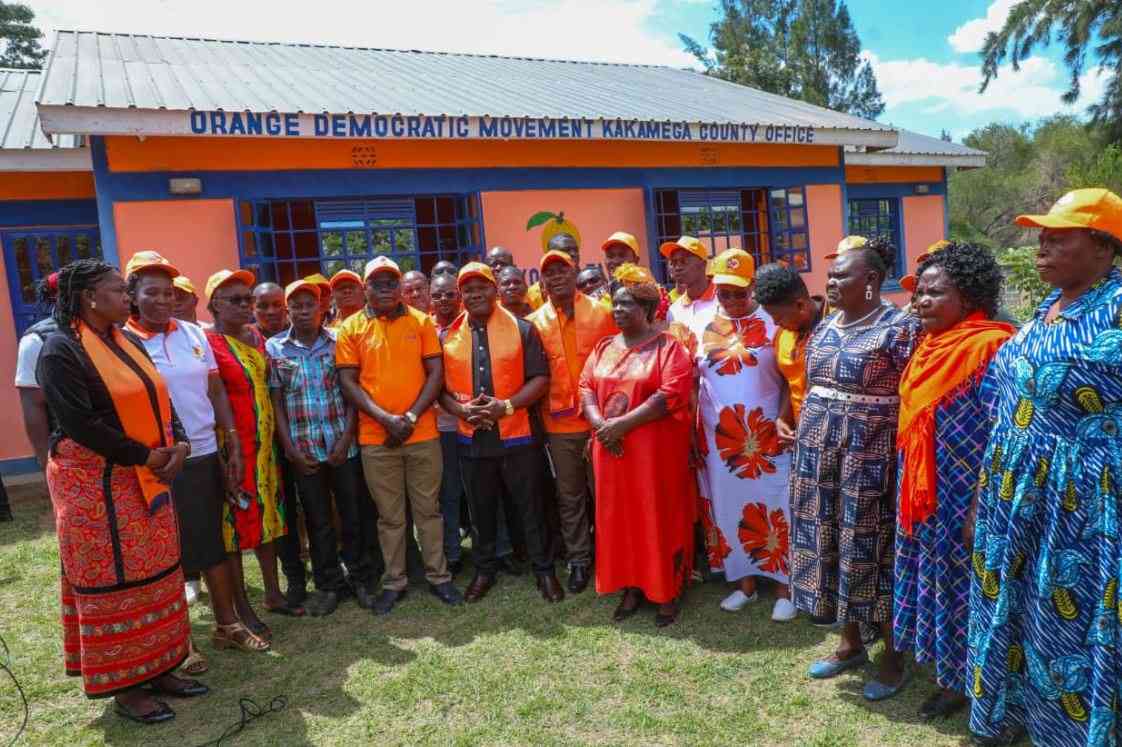
The Orange Democratic Movement (ODM) has been a significant player in Kenya’s political arena. However, recent events indicate that the party is facing scrutiny, raising concerns about its current leadership’s ability to steer a diverse national party effectively.
Leadership Challenges
There’s a growing sentiment among political analysts and party members that the current leadership, particularly under ODM Chairman Fernandes Barasa, may be struggling with the demands of a dynamic political landscape. Observers have noted that this struggle was evident during a recent rally in Kibera, where various factions within the party showcased disunity and a lack of strategic direction.
Public Sentiment
The rally in Kibera served as a microcosm of the larger challenges ODM faces today. Many attendees voiced their concerns about the leadership, suggesting that the party’s current strategies might not resonate with the grassroots. The lack of connection with ordinary members of the public poses a significant risk, especially as the country gears up for future elections.
Internal Cohesion
One of the critical issues at the heart of ODM’s challenges is internal cohesion. The party comprises individuals from diverse backgrounds and regions, and the leadership must navigate these complexities carefully. Discontent has been brewing among some members who feel sidelined in decision-making processes, which could lead to fractures within the party if not addressed promptly.
The Role of Key Figures
Prominent figures within the ODM, including Oburu Odinga, play a crucial role in shaping the party’s direction. Their influence is significant, but there are questions about whether they can command the support necessary to unify various factions. The anticipation surrounding Oburu Odinga’s visit has highlighted the need for inspirational leadership at a time when the party’s future direction is in question.
Moving Forward
Looking ahead, ODM must respond to the challenges head-on. This involves not only revitalizing strategies but also genuinely engaging with party members. A transparent and inclusive approach could help rebuild trust and foster a stronger sense of community within the party. By focusing on grassroots engagement, ODM can not only regain lost ground but also set the stage for a more robust national presence.
Conclusion
As the ODM navigates its current challenges, the path forward will require careful consideration of leadership dynamics, public sentiment, and internal cohesion. The political landscape is ever-evolving, and the party must adapt proactively to remain relevant and effective in representing its constituents.