Navigating the Challenges of the Orange Democratic Movement (ODM)
The Orange Democratic Movement (ODM) is a prominent political party in Kenya, known for its dynamic leadership and influence in the country’s political landscape. Recently, however, there has been a growing concern within the party regarding its leadership’s effectiveness, especially in managing its diverse membership and national aspirations.
Leadership Concerns
The current leadership of ODM has faced scrutiny as party members and observers express doubts about its capabilities in handling the complexities of a national party. The party is rich in diverse opinions, regional interests, and various political ideologies. Observers argue that without a cohesive leadership strategy, it becomes increasingly challenging to unite these divergent views under a single banner.
In recent discussions, including a notable rally in Kibera, dissatisfaction among party members was palpable. Many attendees voiced their frustrations regarding the direction in which the party is headed. This sentiment underscores the urgency for change in leadership and the need to reassess internal governance structures.
Recent Rally in Kibera
The rally in Kibera served as a focal point for the party’s supporters, reminding them of the core issues facing ODM. It was a platform for delegates to air their opinions and share their insights about the party’s trajectory. The overwhelming feeling during this gathering was that the party needs a more robust strategic plan to address contemporary political challenges effectively.
The rally also highlighted the growing disconnect between the electorate and the party’s leadership. Many constituents feel that their leaders are not adequately representing their interests and concerns. This disconnect poses a significant risk to the party, as it could lead to waning support from the grassroots.
The Role of Delegates
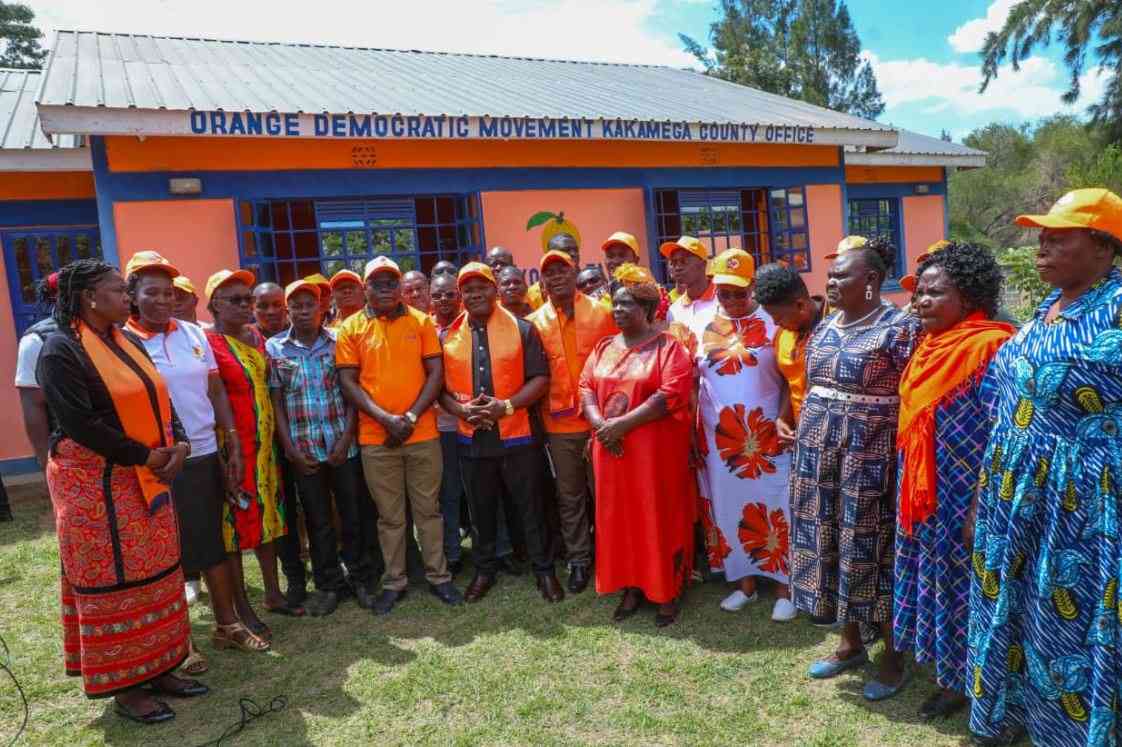
At the heart of the conversation surrounding leadership and direction is the role of party delegates. During the recent special sitting led by Kakamega Governor Fernandes Barasa, delegates expressed their desire for more engagement and transparency from the leadership. They called for a more inclusive approach to decision-making within the party. This feedback is vital, as delegates often serve as the bridge between the party’s leadership and its grassroots supporters.
By empowering delegates and ensuring their voices are heard, the ODM can foster greater unity and encouragement among its base. It’s essential for the leadership to cultivate a culture of dialogue and comprehension, thereby facilitating better representation of community interests.
Public Expectations and Challenges
With an engaged delegate base and a public ready to voice their concerns, expectations for the ODM are high. Voters are looking for a leadership that is not only responsive but one that can effectively navigate the myriad challenges facing Kenya today. The socio-political environment is changing rapidly, and the party must evolve alongside it to maintain relevance.
A failure to address these expectations could result in significant repercussions for the party, including declining membership and potential loss of seats in future elections. It is crucial for ODM to showcase its dedication to the democratic process by actively soliciting feedback and fostering open communication channels between leaders and constituents.
Moving Forward
As the ODM faces these critical challenges, the path forward requires introspection, adaptability, and decisive action. Leaders must not only recognize the existing issues but also take proactive measures to address them. This includes fostering transparency, reinforcing democratic ideals, and actively engaging with their membership base to rejuvenate the party’s credibility.
The collective well-being of the party depends on the recognition of its shortcomings and the willingness to embrace change—this means accessing the diverse talents and perspectives within its ranks to forge a new direction for ODM.
In conclusion, the journey ahead for ODM will be one marked by challenges, opportunities for growth, and a potential revival of party unity and public trust. The focus needs to remain on nurturing a leadership that is aligned with the aspirations of its constituency, ensuring that the ODM remains a viable force in Kenya’s political arena.